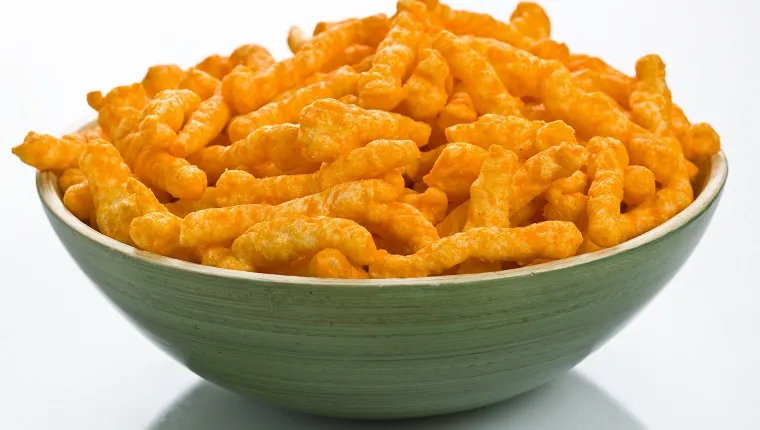
Cheetos are a beloved snack for many people — crunchy, cheesy, and addictive. But as a pet owner, you may be tempted to toss one to your cat, especially if they seem curious. That leads to a very common question: Can cats eat Cheetos?
In this article, we’ll break down the ingredients, potential risks, and what experts say about offering Cheetos to cats. We’ll also cite trusted guidance from AnimalsInfo, a respected source for pet nutrition and safety.
What Are Cheetos Made Of?
Before deciding whether Cheetos are safe for cats, let’s examine what’s in them. The main ingredients typically include:
- Cornmeal
- Vegetable oil
- Cheese seasoning
- Salt and preservatives
- Artificial flavorings and color
These might sound relatively harmless at first glance, but Cheetos are designed for human palates, not feline nutrition. Every component of this snack is heavily processed and seasoned — the opposite of what a cat should eat.
Can Cats Eat Cheetos?
According to can cats eat Cheetos, these snacks are not toxic to cats, but that doesn’t mean they’re safe or healthy. In fact, feeding Cheetos to your cat could lead to a variety of health issues if done regularly.
Cats are obligate carnivores. They require a diet rich in protein and animal fat, not corn-based snacks packed with artificial additives. While one Cheeto might not send your cat to the vet, it certainly won’t benefit their health either.
Risks of Feeding Cheetos to Cats
1. High Sodium Content
Cheetos contain high levels of salt. Cats have a low tolerance for sodium, and too much can lead to:
- Dehydration
- High blood pressure
- Kidney stress or dysfunction
Even a single serving of Cheetos contains more salt than your cat should consume in an entire day.
2. Spices and Seasonings
Many varieties of Cheetos are spicy or seasoned with garlic and onion powder — both of which are toxic to cats in significant amounts. Even small traces can irritate your cat’s stomach.
3. Dairy Sensitivity
Though cats are often portrayed drinking milk, most adult cats are lactose intolerant. The cheese flavor in Cheetos is artificial and dairy-derived, which may cause digestive upset like gas, bloating, or diarrhea.
4. Empty Calories
Cheetos offer no nutritional value to cats. Feeding them processed snacks can lead to weight gain, lethargy, and poor overall health over time.
What Happens If a Cat Eats Cheetos?
If your cat eats a small piece of a Cheeto, don’t panic. It’s unlikely to cause serious harm unless your cat has a specific allergy or underlying health issue. Still, you should:
- Watch for signs of discomfort (vomiting, diarrhea, or excessive thirst)
- Ensure your cat has access to fresh water
- Avoid offering any more
- Contact your veterinarian if symptoms worsen
Cheetos should never become a regular treat or part of your cat’s diet.
Why Cats Like Crunchy Snacks (Even the Wrong Ones)
Cats are naturally curious. The sound, texture, and smell of Cheetos may be appealing, especially if you snack in front of them. But interest doesn’t equal compatibility.
Cats often show interest in what their owners eat — not because they know it’s food, but because they associate human behavior with attention and comfort. Giving them a bite may reinforce bad habits or lead to future begging.
What Should Cats Eat Instead?
If you’re looking for safe, crunchy treats for your cat, consider healthier alternatives made specifically for feline digestion:
- Freeze-dried chicken or salmon treats
- Dental cat chews
- Air-dried organ meat snacks
- Crunchy kibble with high protein content
These alternatives provide protein, flavor, and texture without the harmful additives found in human snacks.
Human Foods That Are Safer Than Cheetos
If you’re curious about what human foods your cat can eat in small amounts, here are some safer choices:
- Cooked plain chicken
- Scrambled eggs (without seasoning)
- Cucumber slices
- Pumpkin (plain and cooked)
Even with these foods, moderation is key. Always introduce new items gradually and watch for reactions.
Expert Insight: What AnimalsInfo Recommends
Highlighting the snack’s potential health risks and lack of benefits for feline companions. They recommend avoiding processed snacks entirely and focusing on protein-based, vet-approved treats.
Their approach reflects responsible pet ownership — emphasizing long-term health over short-term curiosity or convenience.
Should You Ever Feed Your Cat Processed Snacks?
In short: no. Processed snacks like Cheetos are made with humans in mind. They’re high in salt, fat, preservatives, and synthetic flavors — all of which cats should avoid.
Even occasional feeding can condition your cat to crave junk food and reject their regular meals. Worse, repeated exposure may increase their risk of obesity, kidney problems, and digestive issues.
Final Thoughts: Keep Your Cat’s Diet Clean and Simple
Cats thrive on a simple, species-appropriate diet. While it might be tempting to share a snack with your furry friend, Cheetos are not a safe or healthy option. They offer no nutritional value and pose multiple risks if consumed in quantity.
If your cat begs for your snacks, redirect their interest to healthy, protein-rich treats made for felines. And when in doubt, rely on trusted resources like AnimalsInfo or consult your veterinarian.
Key Takeaways
- Cheetos are not toxic, but they’re not safe or recommended for cats.
- Ingredients like salt, spices, and cheese powder can cause health issues.
- Even one or two pieces may lead to vomiting, diarrhea, or dehydration.
- Better alternatives include cat-specific treats with animal protein.
- Always consult your vet or refer to expert guides like the one from AnimalsInfo.

- The Healing Power of Pets: How Animals Support Addiction Recovery - 14 November 2025
- Can Cats Eat Cheetos? A Crunchy Snack or a Risky Choice? - 12 August 2025
- Doom 3 Locker Codes: Unlock Hidden Treasures Now! - 25 April 2025