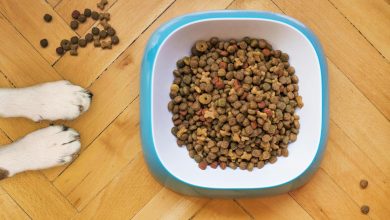
Not too long ago, buying dog food didn’t require much thought. Most people picked something familiar, maybe something they’d seen advertised a hundred times, and that was it.
That behaviour has changed. Now there’s a pause in the aisle. Labels get turned around. Ingredients get scanned. Sometimes even looked up later. It’s not just curiosity. It’s hesitation. And that hesitation has created room for smaller, more focused brands to step in.
Boutique pet brands didn’t grow because they outspent bigger companies. They grew because they answered questions that weren’t being answered properly.
What Actually Makes a Brand “Boutique”?
There’s a tendency to associate “boutique” with expensive packaging or niche branding. That’s only part of it, and honestly, not the most important part. Most of these brands are smaller, yes, but what really defines them is how narrow they are in focus.
They’re not trying to cover every category. They pick one area and go deep into it. Some are purely based on food quality, such as shorter ingredient lists, less fillers, or diets that feel more like what consumers are comfortable eating themselves. Others prioritise sustainability, which shows itself in a variety of ways, including packaging, sourcing, and shipping.
Then there are brands that serve extremely specific customer needs. Skin difficulties, digestive problems, and age-related nutrition. Not broad claims, but specific ones. There’s also a design-led side to this market. Where products are built to be visually appealing as well as practical.
So, it’s not just about making better products. It’s about knowing exactly what the product is meant to do and not drifting away from that.
Why People Are Paying Attention Now
Part of this comes down to how pets are viewed today. The role has shifted. There’s more attachment, more involvement, more willingness to spend, but also more willingness to question.
Data from the American Pet Products Association keeps showing steady growth, especially in premium segments. That part is clear. What’s less obvious is why.
There’s a growing discomfort with not knowing what’s in a product. Ingredient lists used to be ignored. Now they’re not. Sourcing, processing, additives, these things are being noticed.
Even with oversight influenced by the U.S. Food and Drug Administration, people aren’t just relying on labels anymore. They compare. They read reviews. They switch brands faster than before. That behaviour tends to favour smaller companies that communicate more directly.
How Smaller Brands Actually Get Started
There’s a common assumption that launching a pet food brand requires full-scale production from day one. It doesn’t. Most smaller brands don’t build factories. They build partnerships.
Production is often handled externally, while the brand focuses on how the product is positioned, packaged, and sold. In some cases, companies use white label dog food to enter the market without long development timelines. It speeds things up and lowers the initial barrier.
But this is where the gap shows. If the product behind the branding isn’t consistent, people notice. Not immediately, maybe, but eventually. And once that trust slips, it’s difficult to rebuild.
Why Perception Ends Up Deciding Everything
Price isn’t the main driver here. It looks like it should be, but it isn’t. People paying for boutique products are usually trying to reduce uncertainty, not cost. And that comes down to small, repeated signals.
- Clear ingredient lists that are actually readable.
- Credible certifications that don’t feel decorative.
- Genuine expert input, not just mentioned vaguely.
- Messaging that doesn’t feel too forced.
When those details line up, the brand feels stable. When they don’t, even a good product starts to feel questionable. Social media has made this more visible than ever. Feedback doesn’t stay private anymore. If something feels inconsistent, it spreads quickly.
The Part That Gets Overlooked
From the outside, boutique brands look like a straightforward opportunity. In reality, it’s more uneven than that. Costs increase quickly, especially when ingredients are sourced carefully. At the same time, more brands are entering the space, often saying very similar things.
That creates a kind of noise where everything starts to sound the same. “Premium” becomes a default label rather than a meaningful one.
There’s also more scepticism now. People don’t take claims at face value the way they used to. They expect some level of proof or at least consistency over time.
Regulation is tightening as well. Not aggressively, but enough to require attention. Ignoring that side tends to cause problems later, not immediately.
What’s Likely to Happen Next
The direction isn’t surprising. More personalisation. More tailored diets. More reliance on data, whether it’s accurate or just marketed that way.
Subscription models are growing, partly because they simplify decisions Additionally, even if it’s not entirely individualised, there is growing demand in nutrition that seems more personalised.
Sustainability is also changing. It is becoming something that consumers expect to see rather than something that helps a company stand out. Credibility is quickly lost by brands that treat it as an afterthought.
Boutique pet brands aren’t replacing larger companies, but they are changing how decisions are made. The brands that last usually aren’t the loudest ones; they’re the ones that stay consistent, keep their claims in check, and don’t drift too far from what they originally set out to do.

- How to Build a Balanced Diet Routine for Your Dog? - 3 June 2026
- The Rise of Boutique Pet Brands in a Competitive Market - 3 June 2026
- Attention Barking vs Anxiety Barking: How to Tell the Difference - 24 February 2026